Ant Removal Services by Pest Control Xperts in Brentwood
Serving homes, apartments, dormitories, hotels, and healthcare offices throughout Brentwood, Discovery Bay, Byron, Knightsen, California, and Surrounding Areas
Ant Control Brentwood, Knightsen, Discovery Bay, Byron, California: Reclaiming Your Home from Pervasive Pests
The sight of a single ant can be dismissed as a minor annoyance, a lone scout on an accidental journey. However, for property owners in Brentwood, Knightsen, Discovery Bay, and Byron, California, that lone ant is often a harbinger, a tiny ambassador from a vast, hidden colony. You’ve tried the sprays, the traps, the home remedies, only to find those temporary solutions are illusions undone by the relentless, unseen forces beneath your floors and within your walls. At [Brentwood] Pest Control Experts, we understand this frustration. We know that true ant control isn’t about surface-level fixes; it’s about eliminating the problem at its source, targeting the queen and the entire nest to provide definitive, lasting relief.
Ant infestations are more than just an unsightly nuisance; they represent a breach in your home’s defenses, a potential threat to your property, and a constant source of stress. DIY methods, while seemingly effective in the short term, rarely address the root cause. They merely scatter the visible ants, allowing the hidden colony to thrive, expand, and return with renewed vigor. Our mission is to educate you on why these attempts fail and why professional, targeted intervention is the only true solution. We are your local specialists, equipped with the expertise and advanced strategies to eradicate ants from your Brentwood, Knightsen, Discovery Bay, or Byron property, ensuring your peace of mind is restored.
Why Ants Appear in Brentwood and Surrounding Communities
The unique environmental and structural characteristics of the Sacramento Valley, particularly within Brentwood, Knightsen, Discovery Bay, and Byron, California, create an ideal environment for various ant species to thrive and seek refuge within our homes and businesses. Understanding these local factors is crucial to effective ant control.
Climate and Geography: The Rhythms of Ant Invasions
Our region experiences a distinct Mediterranean climate, characterized by hot, dry summers and cool, often foggy, wet winters. This dramatic seasonal transition profoundly influences ant behavior and their propensity to invade human structures.
- Hot, Dry Summers: Evaporation and Drought Drive Ants Indoors: As summer temperatures soar and the landscape parches, natural outdoor food and water sources diminish rapidly. The intense evaporation creates a desperate search for moisture, driving ants, particularly odorous house ants and Argentine ants, directly into homes. They seek out kitchens, bathrooms, and utility rooms where condensation, leaky pipes, or even pet water bowls provide vital hydration. The prolonged drought conditions common in the Sacramento Valley exacerbate this phenomenon, transforming homes into essential oases for survival.
- Cold, Foggy Winters: Seeking Insulation and Warmth: Conversely, the arrival of cold, foggy winters, often accompanied by significant rainfall, compels ants to seek warmth and shelter. Pavement ants and pharaoh ants, for instance, will actively search for insulated spaces within wall voids, attics, and subfloors to escape the chill and damp. The dense fog and increased humidity can also create favorable conditions for certain species, even as the overall temperature drops.
- Feather River Floodplain Dynamics: The proximity to the Feather River floodplain, while geographically distant, influences regional moisture levels and soil composition, which can indirectly affect ant populations. Areas with historically higher water tables or flood-prone soils may retain moisture longer, providing consistent nesting sites for moisture-loving ants.
- Sutter Buttes as a Refuge Zone: The Sutter Buttes, an isolated range of volcanic peaks, acts as a significant ecological refuge. Its diverse microclimates and varied vegetation support a wide array of insect life, including numerous ant species. While not directly in our service area, the Buttes serve as a natural reservoir, allowing ant populations to flourish and, under certain conditions, expand their range into surrounding agricultural and urbanized areas.
- Local Agricultural Irrigation and Flood Control Systems: The extensive agricultural infrastructure, including irrigation canals, ditches, and flood control systems prevalent throughout the Sacramento Valley, creates numerous high-moisture pockets. These consistently damp environments are ideal breeding and nesting grounds for specific ant species, most notably carpenter ants. These wood-destroying insects thrive in moist, decaying wood, often found in the structural timbers of homes adjacent to these water features or in properties with compromised drainage. The constant presence of water provides both a habitat and a pathway for these ants to establish satellite colonies near residential areas.
Architecture and Urban Factors: Structural Vulnerabilities and Pathways
The architectural landscape of Brentwood, Knightsen, Discovery Bay, and Byron, ranging from historic homes to modern developments, presents varied vulnerabilities to ant invasions.
- New Tract Housing Developments vs. Older Homes:
- Newer Tract Housing: While seemingly more robust, newer tract housing developments often feature meticulously landscaped yards with irrigation systems, creating consistent moisture around foundations. Furthermore, the rapid construction methods can sometimes leave small gaps and unsealed entry points around utility lines, windows, and doors, providing easy access for odorous house ants and Argentine ants. These ants are highly adaptable and can exploit even the smallest imperfections in a home’s exterior.
- Older Homes in Historic Centers: Older homes, particularly those in the historic centers of our communities, often possess unique structural vulnerabilities. Settling foundations can create cracks, deteriorating wood can offer easy entry and nesting sites, and older plumbing systems may have persistent leaks, attracting pharaoh ants and carpenter ants. These ants are adept at exploiting existing structural weaknesses and can establish extensive colonies within the fabric of older buildings, making eradication more complex.
- Transportation of Goods: A Vector for Pervasive Ants: The robust commercial activity and transportation networks, including commercial trucks traversing the region, play a significant role in the spread of pervasive ant species. Ants, particularly pharaoh ants and thief ants, are notorious hitchhikers. They can be inadvertently transported in shipping containers, pallets, and even personal belongings, allowing them to establish new colonies in previously unaffected areas. This constant movement of goods means that new infestations can arise even in well-maintained properties, highlighting the need for ongoing vigilance and professional intervention.
The combination of our climate’s extremes, the intricate agricultural water systems, and the diverse architectural landscape creates a complex challenge for ant control in our communities. At [Brentwood] Pest Control Experts, our deep understanding of these local nuances allows us to develop highly effective, targeted strategies for ant extermination, ensuring that your property remains free from these persistent invaders.
Understanding the Enemy: Local Ant Species and Their Unique Threats
To effectively combat an ant infestation, it is essential to identify the specific species involved. Different ants exhibit distinct behaviors, preferences, and pose unique threats to homes and businesses in Brentwood, Knightsen, Discovery Bay, and Byron.
- Carpenter Ants:
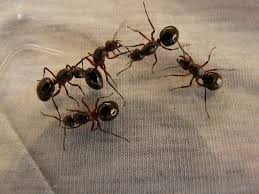
- Identification: Large ants, typically black, red, or a combination, ranging from ¼ to ½ inch in length. Workers vary in size within the same colony.
- Behavior: Unlike termites, carpenter ants do not eat wood; they tunnel through it to create nests, leaving behind smooth, clean galleries. They prefer moist, decaying wood but will also tunnel into sound wood. You may see sawdust-like material (frass) near their nesting sites, which often contains insect parts.
- Specific Risks: Significant structural damage to homes and businesses. Their tunneling can compromise the integrity of wooden beams, floors, and walls, leading to costly repairs if left unchecked.
- Pavement Ants:
- Identification: Small, dark brown to black ants, about ⅛ inch long, with parallel grooves on their head and thorax.
- Behavior: Nest under pavement, stones, and concrete slabs, but often forage indoors for food, especially greasy or sugary items. They create small mounds of displaced soil along sidewalks and driveways.
- Specific Risks: While not structurally damaging, pavement ants are a persistent nuisance, contaminating food and creating unsightly trails through kitchens and pantries.
- Odorous House Ants:
- Identification: Small, dark brown to black ants, about ⅛ inch long. When crushed, they emit a distinct, rotten coconut-like odor.
- Behavior: Form large colonies and multiple satellite colonies. They are highly adaptable, nesting both indoors and outdoors, often trailing along electrical wires and pipes. They are attracted to sweets.
- Specific Risks: A significant nuisance pest, contaminating food and establishing widespread trails. Their ability to form multiple nests makes them particularly challenging to eradicate without professional intervention.
- Pharaoh Ants:
- Identification: Very small, yellowish-brown ants, about 1/16 inch long, with a darker abdomen.
- Behavior: Form extremely large colonies with many queens, leading to rapid colony budding (splitting into smaller colonies). They prefer warm, humid environments and are often found in hospitals, food establishments, and homes.
- Specific Risks: Known to transmit pathogens, posing a health risk, especially in sensitive environments. Their ability to bud makes them incredibly difficult to control with conventional methods, as disturbing a nest can cause it to split and spread.
- Fire Ants:
- Identification: Reddish-brown ants, ranging from ⅛ to ¼ inch long, with a distinct two-segmented petiole.
- Behavior: Build large, distinctive mounds in sunny areas. They are highly aggressive and will sting repeatedly when disturbed.
- Specific Risks: Their painful, venomous stings can cause welts, allergic reactions, and secondary infections. A significant outdoor pest that can invade homes.
- Argentine Ants:
- Identification: Small, light to dark brown ants, about ⅛ inch long.
- Behavior: Form massive supercolonies with numerous queens and nests, making them incredibly pervasive. They forage in long, distinct trails and are attracted to sweets.
- Specific Risks: Outcompete native ant species, disrupt ecosystems, and are a major nuisance pest, contaminating food and establishing widespread infestations that are very difficult to control.
- Thief Ants:
- Identification: Extremely small, yellowish to light brown ants, about 1/32 to 1/16 inch long.
- Behavior: Often nest near or inside the nests of other ant species, stealing their food and larvae. They are attracted to greasy and oily foods and can enter homes through tiny cracks.
- Specific Risks: Contaminate food and are difficult to detect due to their small size. Their ability to nest almost anywhere makes them a persistent and frustrating pest.
Identifying the specific ant species is the first critical step in developing an effective ant control strategy. Our experts at [Brentwood] Pest Control Experts possess the knowledge and experience to accurately identify these local ant species and implement targeted treatments for complete colony elimination.
Problems Ants Create for Homes and Businesses
An ant infestation is far more than a minor annoyance; it can lead to significant problems for both residential and commercial properties in Brentwood, Knightsen, Discovery Bay, and Byron. Ignoring these persistent pests can result in a cascade of negative consequences.
- Food Contamination: This is one of the most common and immediate concerns. Ants, particularly odorous house ants, pavement ants, and pharaoh ants, forage widely for food. As they crawl across countertops, pantry shelves, and food preparation areas, they can transfer bacteria and pathogens from their bodies, contaminating exposed food items. This poses a health risk and can lead to wasted food and increased grocery expenses.
- Property Damage: While not all ants cause structural damage, species like carpenter ants are notorious for it. They tunnel through moist or decaying wood to create their nests, weakening structural timbers, window frames, doorframes, and even furniture. Over time, extensive carpenter ant activity can compromise the integrity of your home or business, leading to costly repairs. Even non-wood-destroying ants can cause minor damage by chewing through insulation or wiring to create pathways.
- Brand Reputation Risk (for Businesses): For commercial establishments, especially those in the food service, hospitality, or healthcare industries, an ant infestation can severely damage brand reputation. The presence of ants signals poor hygiene and can deter customers, leading to lost business and negative reviews. Maintaining a pest-free environment is paramount for public perception and operational success.
- Health Risks: While many ants are not directly harmful, some species pose specific health concerns. Fire ants deliver painful, venomous stings that can cause allergic reactions in sensitive individuals. Pharaoh ants are known vectors for transmitting various pathogens, including Salmonella and Staphylococcus, making them a particular threat in hospitals and food handling facilities. Even common house ants can carry bacteria from unsanitary areas into food preparation zones.
- Allergies and Asthma: The presence of ant nests, especially within wall voids, can contribute to indoor allergens. Ant exoskeletons and waste products can become airborne, potentially exacerbating allergy and asthma symptoms in sensitive individuals.
- Stress and Discomfort: Living or working with a persistent ant infestation is inherently stressful. The constant vigilance, the sight of ant trails, and the fear of contamination can significantly reduce comfort and peace of mind within your own property.
Addressing an ant infestation promptly and effectively is crucial to mitigate these risks. [Brentwood] Pest Control Experts provides comprehensive ant extermination services designed to protect your home, your business, and your well-being from the diverse problems these pests create.
Signs of an Escalating Ant Infestation: When to Call the Experts
Recognizing the early signs of an ant problem can prevent a minor nuisance from becoming a full-blown infestation. However, certain indicators suggest that your ant situation is escalating and requires professional intervention from [Brentwood] Pest Control Experts.
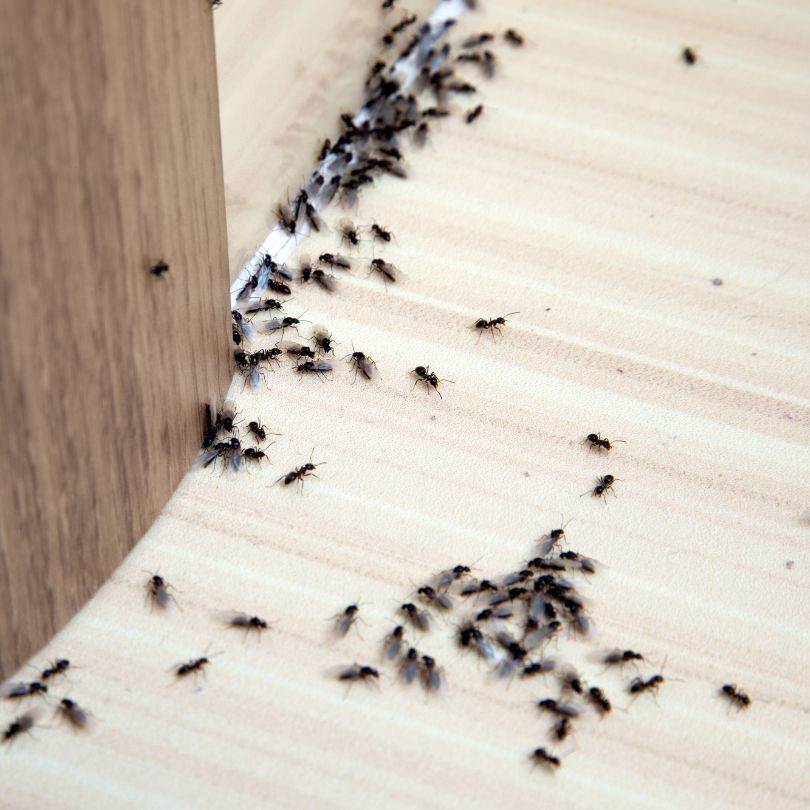
- Persistent Ant Trails: Seeing a few ants occasionally is one thing, but observing consistent, well-defined trails of ants moving to and from a food source is a clear sign of an established colony. These trails indicate active foraging and a growing population.
- Ants in Multiple Areas: If you’re finding ants not just in the kitchen, but also in bathrooms, bedrooms, living areas, or even in your vehicle, it suggests a widespread infestation. This often means there are multiple satellite colonies or a very large primary nest.
- Visible Nests or Mounds: Outdoors, the presence of ant mounds in your yard, particularly those of fire ants or pavement ants, indicates an active colony. Indoors, finding small piles of frass (sawdust-like material) near wooden structures is a strong indicator of carpenter ant activity and their hidden nests.
- “Flying Ants” Indoors: The appearance of winged ants inside your home is a critical sign of a mature, established colony. These are reproductive ants (swarmers) emerging to mate and establish new colonies. It often means the main nest is well-developed and potentially located within your structure. It’s important to distinguish these from termites, which also swarm.
- Damage to Wood: For carpenter ants, signs of damage include small, perfectly round holes in wood, often accompanied by piles of frass. You might also hear faint rustling sounds within walls, particularly at night, as they tunnel.
- Ants in Pet Food or Water Bowls: Ants are highly attracted to pet food and water. If you consistently find them congregating around these areas, it signifies a strong foraging drive and a nearby colony.
- Difficulty with DIY Methods: If you’ve tried various over-the-counter sprays, baits, or traps and the ants keep returning, or the problem seems to worsen, it’s a definitive sign that DIY approaches are insufficient. This indicates a resilient colony that requires professional strategies for complete elimination.
If you observe any of these escalating signs, it’s time to contact [Brentwood] Pest Control Experts. Our specialists can accurately assess the extent of the infestation, identify the species, and implement a targeted treatment plan to eliminate the problem at its source.
Why Professional Extermination is Essential for Ant Removal
The allure of quick-fix solutions for ant problems is understandable. Store-bought sprays and traps promise immediate relief, but for property owners in Brentwood, Knightsen, Discovery Bay, and Byron, these DIY methods are often temporary illusions undone by the hidden, resilient nature of ant colonies. True ant removal requires a professional approach that goes beyond the visible pests.
The Limitations of DIY: Surface Solutions vs. Colony Elimination
- Sprays Only Address Visible Ants: Most over-the-counter ant sprays are contact killers. They eliminate the ants you see, providing a fleeting sense of victory. However, these sprays rarely penetrate deep enough to reach the queen or the vast majority of the colony hidden within walls, foundations, or underground nests. The colony simply sends out more workers, and the cycle of frustration continues.
- Baits Can Be Misplaced or Ineffective: While ant baits are designed to be carried back to the colony, their effectiveness hinges on proper placement and the ants’ willingness to accept the bait. If the bait isn’t appealing to the specific ant species, or if it’s placed in an area where ants aren’t actively foraging, it will fail. Furthermore, many DIY baits are not potent enough to eliminate large, established colonies or those with multiple queens.
- Colony Budding and Resistance: Disturbing certain ant species, like pharaoh ants, with repellent sprays can actually cause “budding,” where the colony splits into multiple smaller colonies, exacerbating the problem. Over time, ant populations can also develop resistance to commonly used insecticides, rendering DIY products increasingly ineffective.
- Lack of Identification and Targeted Treatment: Without professional expertise, accurately identifying the ant species is challenging. Different ants respond to different treatments. A generic DIY approach will likely fail against a specific species that requires a tailored strategy.
- Hidden Nests Remain Intact: The fundamental flaw of DIY methods is their inability to locate and eliminate the primary nest and queen. As long as the queen is alive and reproducing, the colony will persist, sending out new waves of workers to invade your space.
The Professional Advantage: Eliminating the Problem at its Source
[Brentwood] Pest Control Experts offers a comprehensive, science-backed approach to ant extermination that targets the entire colony, not just the visible workers.
- Accurate Species Identification: Our experts are trained to identify the specific ant species infesting your property. This crucial first step allows us to select the most effective treatment protocols tailored to their unique biology and behavior.
- Thorough Inspection and Nest Location: We conduct detailed inspections to locate primary and satellite nests, entry points, and foraging trails. This often involves advanced techniques to find hidden colonies within wall voids, foundations, and other inaccessible areas.
- Targeted Treatment Strategies: We utilize professional-grade baits, non-repellent insecticides, and other advanced treatments designed to be carried back to the colony, ultimately eliminating the queen and the entire nest. Our methods are designed for maximum efficacy with minimal impact on your family and pets.
- Integrated Pest Management (IPM): Our approach incorporates IPM principles, focusing on long-term prevention. This includes sealing entry points, managing moisture, and advising on sanitation practices to make your property less attractive to ants.
- Long-Term Prevention and Monitoring: We don’t just eliminate the current infestation; we implement strategies for ongoing prevention and offer follow-up services to ensure the ants do not return. This proactive approach provides lasting peace of mind.
When it comes to ant removal, the illusions of DIY relief are no match for the definitive solutions provided by [Brentwood] Pest Control Experts. We eliminate the problem at its source, ensuring your home or business in Brentwood, Knightsen, Discovery Bay, or Byron is truly free from ants.
Advanced Ant Exclusion Methods and Structural Pest Control
Effective ant control extends beyond immediate eradication; it encompasses robust exclusion methods and structural pest control to prevent future invasions. At [Brentwood] Pest Control Experts, we understand that a comprehensive strategy involves not only eliminating existing colonies but also fortifying your property against re-entry. Our approach in Brentwood, Knightsen, Discovery Bay, and Byron focuses on creating a long-term barrier against these pervasive pests.
Sealing Entry Points: The First Line of Defense
Ants are incredibly resourceful and can squeeze through even the tiniest cracks and crevices. Our exclusion methods meticulously identify and seal these potential entry points:
- Foundation Sealing: We inspect your home’s foundation for cracks, gaps, and openings where utility lines enter. These are common pathways for pavement ants, odorous house ants, and even carpenter ants seeking entry. Using durable, pest-resistant sealants, we close these vulnerabilities, creating a physical barrier.
- Window and Door Treatments: Gaps around window and door frames, as well as worn weather stripping, provide easy access. We advise on or assist with repairing or replacing damaged seals, ensuring a tight fit that blocks ant entry.
- Utility Penetrations: Areas where pipes, wires, and cables enter your home often have small gaps. These are critical points for sealing to prevent ants from using these conduits as highways into your living spaces.
- Vents and Screens: Damaged or improperly screened vents (e.g., attic, crawl space, foundation) can be open invitations for ants. We ensure all vents are properly screened and sealed to prevent access.
Managing Moisture: Eliminating Ant Attractants
Moisture control is a cornerstone of structural pest management, particularly for ants like carpenter ants, which thrive in damp environments, and many other species that seek water sources during dry periods.
- Addressing Leaks: We identify and advise on repairing leaky pipes, faucets, and other plumbing issues that create attractive moisture sources for ants.
- Improving Drainage: Poor exterior drainage can lead to moisture accumulation around your foundation, creating ideal conditions for ant nesting. We provide recommendations for improving grading, installing gutters, or ensuring downspouts direct water away from the house.
- Ventilation: Proper ventilation in crawl spaces, attics, and basements reduces humidity, making these areas less hospitable for moisture ants and carpenter ants. We can assess your current ventilation and suggest improvements.
- Wood-to-Soil Contact: Eliminating direct wood-to-soil contact around your home’s perimeter prevents moisture transfer to structural timbers, significantly reducing the risk of carpenter ant infestations.
Perimeter Defense and Ant Barriers
Beyond sealing, we implement strategic perimeter defense measures to deter ants from approaching your property:
- Exterior Treatments: Application of professional-grade, non-repellent treatments around the foundation and key entry points creates an undetectable barrier. Ants unknowingly carry the treatment back to their colony, leading to widespread elimination.
- Vegetation Management: Trimming shrubs, trees, and other vegetation away from your home’s exterior eliminates “bridges” that ants use to access your property without touching treated ground.
- Mulch and Landscape Maintenance: While aesthetically pleasing, excessive mulch or leaf litter directly against the foundation can retain moisture and provide nesting sites. We advise on appropriate landscaping practices to minimize ant harborage.
By integrating these advanced ant exclusion methods and structural pest control techniques, [Brentwood] Pest Control Experts provides a robust, multi-layered defense against ant invasions. Our goal is not just to remove ants, but to create a long-term, pest-free environment for your home or business in Brentwood, Knightsen, Discovery Bay, or Byron.
Our Ant Removal Method: A Step-by-Step IPM Approach
At [Brentwood] Pest Control Experts, we employ a meticulous, Integrated Pest Management (IPM) approach to ant removal. This systematic process ensures thorough eradication and long-term prevention, tailored specifically for properties in Brentwood, Knightsen, Discovery Bay, and Byron. Our method focuses on understanding the specific ant problem, applying targeted treatments, and implementing sustainable solutions.
Step 1: Consultation & Inspection
The foundation of effective ant control begins with a detailed understanding of your unique situation.
- Initial Consultation: We start by listening to your concerns, gathering information about where and when you’ve observed ant activity, and any DIY efforts you may have attempted.
- Thorough Inspection: Our experts conduct a comprehensive inspection of your property, both indoors and outdoors. This involves:
- Identifying the specific ant species present.
- Locating active ant trails and foraging paths.
- Searching for primary and satellite ant nests, which may be hidden in wall voids, foundations, under slabs, or in landscaping.
- Identifying potential entry points into your home or business.
- Assessing environmental factors that contribute to ant infestations, such as moisture sources, food attractants, and structural vulnerabilities.
Step 2: Customized Treatment Plan
Based on the findings from our inspection, we develop a customized treatment plan designed to eliminate the identified ant species and address the root causes of the infestation.
- Targeted Treatment Selection: We utilize a combination of professional-grade products and techniques, which may include:
- Ant Baiting Systems: Strategically placed baits that ants carry back to the colony, effectively eliminating the queen and the entire nest. These are often non-repellent, allowing ants to unknowingly spread the active ingredient.
- Crack and Crevice Treatment: Precision application of non-repellent insecticides into cracks, crevices, and voids where ants hide and travel.
- Perimeter Defense: Creating an exterior barrier around your foundation to prevent new ants from entering.
- Nest Treatment: Direct treatment of accessible nests for rapid reduction of ant populations.
- Focus on Colony Elimination: Our primary objective is always the complete elimination of the ant colony, including the queen, to ensure long-term relief.
Step 3: Exclusion & Maintenance Recommendations
Beyond active treatment, we focus on making your property less hospitable to ants and preventing future invasions.
- Exclusion Techniques: We provide recommendations and, where appropriate, perform minor sealing of entry points such as cracks in foundations, gaps around windows and doors, and utility penetrations.
- Moisture Control: Advice on addressing moisture issues like leaky pipes, poor drainage, and excessive humidity, which attract many ant species, especially carpenter ants.
- Sanitation Guidelines: Recommendations for reducing food attractants through proper food storage, waste management, and regular cleaning.
- Vegetation Management: Guidance on trimming shrubs and trees away from your home to eliminate ant bridges and reduce harborage areas.
Step 4: Monitoring and Follow-Up Service
Our commitment to definitive ant control extends beyond the initial treatment.
- Monitoring: We monitor the effectiveness of our treatments and look for any signs of lingering ant activity.
- Follow-Up Service: Depending on the severity of the infestation and the ant species, follow-up visits may be scheduled to ensure complete eradication and to reinforce preventive measures. This is particularly important for persistent species or large colonies.
- Seasonal Ant Service: We offer ongoing seasonal ant service to maintain a pest-free environment, adapting our strategies to the changing behaviors of ants throughout the year in our local climate.
By adhering to this comprehensive IPM approach, [Brentwood] Pest Control Experts delivers effective, lasting ant removal solutions for homes and businesses in Brentwood, Knightsen, Discovery Bay, and Byron, giving you back control of your property.
Tailored Commercial Ant Services
For businesses in Brentwood, Knightsen, Discovery Bay, and Byron, an ant infestation isn’t just an inconvenience; it’s a threat to operations, reputation, and potentially, public health. [Brentwood] Pest Control Experts understands the unique challenges commercial properties face and offers tailored ant services designed to meet the specific needs and regulatory requirements of various industries.
Understanding Commercial Vulnerabilities
Commercial environments often present distinct attractants and entry points for ants:
- Food Service Establishments: Restaurants, cafes, and bakeries are prime targets due to constant food preparation, waste, and moisture. Pharaoh ants, odorous house ants, and Argentine ants are common invaders, posing significant food contamination risks.
- Healthcare Facilities: Hospitals, clinics, and nursing homes require stringent pest control. Pharaoh ants, in particular, are a serious concern due to their ability to transmit pathogens and their tendency to nest in sterile environments.
- Warehouses and Retail Spaces: These large areas offer numerous harborage points, and the constant movement of goods can introduce new ant colonies. Ants can damage inventory and deter customers.
- Office Buildings: Even clean office environments can attract ants seeking food scraps, water, or shelter, leading to employee discomfort and distraction.
Our Commercial Ant Control Protocols
We develop customized IPM programs for each commercial client, focusing on discrete, effective, and compliant solutions.
- Detailed Site Assessment: Our initial step involves a thorough inspection of your commercial property to identify ant species, locate nesting sites, assess entry points, and understand specific operational vulnerabilities.
- Discreet Service: We recognize the importance of maintaining your business’s professional appearance. Our technicians provide services discreetly, often outside of peak operating hours, to minimize disruption to your staff and customers.
- HACCP Compliance and Industry Regulations: For food-related businesses, our programs are designed with Hazard Analysis and Critical Control Points (HACCP) principles in mind. We help you maintain compliance with health and safety regulations, providing necessary documentation and reporting.
- Targeted Treatments: We utilize professional-grade, commercial-specific ant baits and non-repellent treatments that are highly effective yet safe for use in sensitive environments. Our focus is on colony elimination to prevent re-infestation.
- Exclusion and Sanitation Recommendations: We provide comprehensive recommendations for structural exclusion (sealing gaps, repairing screens) and sanitation improvements to reduce ant attractants and entry points.
- Ongoing Monitoring and Reporting: Regular follow-up visits and monitoring are crucial for commercial accounts. We provide detailed service reports, track pest activity, and adjust our strategies as needed to ensure continuous protection.
- Integrated Pest Management (IPM): Our IPM approach for commercial clients emphasizes proactive measures, minimizing pesticide use while maximizing effectiveness through a combination of biological, cultural, physical, and chemical tools.
Protect your business’s reputation, ensure a healthy environment for your employees and customers, and prevent costly disruptions with [Brentwood] Pest Control Experts’ tailored commercial ant services. Contact us for an immediate consultation to secure your commercial property from ant invasions.
Why Brentwood Relies on [Brentwood] Pest Control Experts for Definitive Ant Control
When ants invade, property owners in Brentwood, Knightsen, Discovery Bay, and Byron need more than just a temporary fix; they need a definitive solution. [Brentwood] Pest Control Experts has become the trusted name for ant control in our communities, built on a foundation of local expertise, comprehensive strategies, and a steadfast commitment to complete colony elimination.
Regional Familiarity: Local Knowledge, Superior Results
Our deep understanding of the unique environmental factors in the Sacramento Valley – from the hot, dry summers driving ants indoors to the moist conditions near agricultural irrigation systems – sets us apart. We know the specific ant species that thrive here, their seasonal behaviors, and the structural vulnerabilities common to homes and businesses in Brentwood, Knightsen, Discovery Bay, and Byron. This regional familiarity allows us to anticipate ant activity and implement highly effective, localized treatment protocols that generic pest control services simply cannot match.
Focus on Complete Colony Elimination: Beyond the Surface
The core of our philosophy is simple yet profound: true ant control means eliminating the entire colony, including the queen. We don’t just treat the ants you see; we target the source. Our advanced Integrated Pest Management (IPM) approach involves:
- Accurate Species Identification: Pinpointing the exact ant species ensures we use the most effective baits and treatments.
- Thorough Nest Location: Our experts meticulously search for primary and satellite nests, even in hidden, inaccessible areas.
- Targeted, Professional-Grade Treatments: We employ specialized baits and non-repellent insecticides designed to be carried back to the colony, leading to a domino effect that eradicates the entire population.
- Exclusion and Prevention: Beyond eradication, we focus on sealing entry points and providing recommendations for moisture control and sanitation to prevent future infestations.
Unwavering Commitment to Your Peace of Mind
We understand the frustration and stress that an ant infestation can cause. Our team is dedicated to restoring your comfort and protecting your property. We pride ourselves on:
- Expertise and Experience: Our technicians are highly trained, experienced, and continuously educated on the latest ant control techniques and technologies.
- Customized Solutions: Every property is unique, and so is every ant problem. We develop tailored treatment plans, never a one-size-fits-all approach.
- Effective and Responsible Methods: We utilize the most effective treatments available while prioritizing responsible application to ensure the safety of your family, pets, and the environment.
- Ongoing Support: Our service doesn’t end with the initial treatment. We offer monitoring and follow-up services, including seasonal prevention plans, to ensure long-term ant freedom.
For definitive ant control that addresses the unique challenges of our local environment and delivers lasting results, trust the experts who know Brentwood, Knightsen, Discovery Bay, and Byron best. Choose [Brentwood] Pest Control Experts to reclaim your home or business from ants.
The Value of Seasonal Ant Prevention
In the dynamic climate of Brentwood, Knightsen, Discovery Bay, and Byron, California, ant activity is not a static problem; it fluctuates with the seasons. Understanding and addressing these seasonal cycles is crucial for effective, long-term ant prevention. At [Brentwood] Pest Control Experts, we emphasize the value of seasonal ant service to provide continuous protection against these persistent invaders.
Adapting to the Local Climate and Ant Cycles
Our region’s distinct transition from hot, dry summers to cool, wet winters profoundly influences ant behavior. A seasonal prevention plan is designed to proactively counter these changes:
- Spring (Emergence and Foraging): As temperatures rise in spring, ant colonies become highly active after winter dormancy. Workers emerge in large numbers to forage for food and establish new trails. This is a critical time for initial perimeter treatments and baiting to intercept foraging ants before they establish strong indoor presence. Targeting queens during this period can significantly reduce colony growth throughout the year.
- Summer (Peak Activity and Moisture Seeking): The scorching, dry summers drive ants indoors in search of water and shelter. Argentine ants and odorous house ants are particularly prevalent during this season. Our summer service focuses on reinforcing exterior barriers, addressing moisture sources around the foundation, and targeting any new satellite colonies that may have formed. This is also when carpenter ants may be most active in moist wood.
- Fall (Winter Preparation and Infiltration): As temperatures begin to drop in the fall, ants intensify their search for overwintering sites, often leading to increased indoor invasions. They seek warm, protected spaces within wall voids, attics, and basements. Fall prevention focuses on sealing entry points, applying treatments to deter overwintering, and addressing any lingering outdoor nests before they become established indoors for the colder months.
- Winter (Reduced Activity, but Still a Threat): While ant activity generally slows in winter, some species, like pharaoh ants, can remain active indoors, especially in heated structures. Our winter service focuses on monitoring for these persistent indoor pests and reinforcing