Termite Removal Services by Pest Control Xperts in Brentwood
Serving homes, apartments, dormitories, hotels, and healthcare offices throughout Brentwood, Discovery Bay, Byron, Knightsen, California, and Surrounding Areas
Definitive Termite Control in Brentwood, Knightsen, Discovery Bay, and Byron, California
The unsettling sight of a few winged insects or tiny wood shavings can quickly turn into a homeowner’s worst nightmare. You spray, you set traps, you try every DIY solution, but the problem persists, often worsening with each passing season. This isn’t just a minor nuisance; it’s a clear sign of a deeper, more insidious threat: a hidden termite colony actively devouring your most valuable asset. DIY methods offer nothing more than temporary illusions undone by the relentless, hidden colony. At Brentwood Pest Control Experts, we understand this frustration. Our mission is to eliminate the problem at its source, targeting the queen and the entire nest, providing you with true, lasting peace of mind.
Why Termites Appear in Brentwood and Surrounding Communities
The unique environmental tapestry of the Sacramento Valley, encompassing Brentwood, Knightsen, Discovery Bay, and Byron, creates an ideal breeding ground and migratory path for various termite species. Understanding these local factors is paramount to effective termite control.
Our region’s climate is characterized by a distinct transition from hot, arid summers to cool, often foggy winters. During the scorching summer months, as temperatures soar and the landscape dries, termites are driven indoors. The parched soil and lack of external moisture force these wood-destroying insects to seek out the consistent humidity and cooler temperatures found within homes and commercial structures. They exploit any available moisture source, from leaky pipes and condensation in crawl spaces to the subtle dampness around foundations. This seasonal shift means that what might seem like a sudden appearance of termites is often a predictable response to environmental stress, as colonies expand their foraging efforts into human dwellings.
Conversely, the cold, foggy winters, particularly those influenced by the Feather River floodplain dynamics, present a different set of attractions for termites. As external temperatures drop, termites seek insulation and warmth. Your home, with its regulated indoor climate and abundant wooden structures, becomes an inviting refuge. The increased moisture from winter rains and ground saturation, especially in areas prone to the floodplain’s influence, creates pockets of high humidity that are particularly appealing to species like carpenter termites. These conditions soften wood, making it easier for termites to excavate and establish new galleries, often unnoticed until significant damage has occurred.
The Sutter Buttes, often referred to as the “world’s smallest mountain range,” also plays a subtle yet significant role as a refuge zone. Its unique microclimates and diverse vegetation can harbor termite colonies, which then expand outwards into the surrounding agricultural and residential areas. This geographical feature acts as a natural reservoir, ensuring a continuous presence of termite populations that can readily infest nearby communities.
Furthermore, local agricultural irrigation and flood control systems, while vital for our region’s prosperity, inadvertently create high-moisture pockets that are ideal for specific termite species. The consistent presence of water in these systems, coupled with the rich organic matter in agricultural soils, provides a perfect environment for subterranean termites to thrive. These species, which require constant contact with soil moisture, can easily establish extensive underground networks that eventually lead them to your property. The intricate network of canals and ditches, designed for water management, can also serve as subterranean highways for these destructive pests, allowing them to spread efficiently across the landscape and into urbanized areas.
Beyond natural environmental factors, the architectural landscape of our communities also dictates vulnerability. New tract housing developments, while often built with modern materials, can still present entry points for termites. Construction gaps, poorly sealed expansion joints, and even the wood-to-ground contact in landscaping features can provide direct access. However, older homes in the historic centers of Brentwood, Knightsen, Discovery Bay, and Byron often face a heightened risk. These structures, with their aged wooden foundations, crawl spaces, and potential for deferred maintenance, offer abundant opportunities for species like odorous house termites and pharaoh termites to establish themselves. The presence of older, untreated wood and the natural settling of foundations over time create numerous cracks and crevices that serve as perfect entry points and harborage sites for these persistent pests.
The transportation of goods, particularly through commercial trucks, also contributes to the spread of pervasive termites. Infested pallets, timber, or even furniture can inadvertently transport termite colonies from one location to another. As these goods are moved into warehouses, distribution centers, or directly to homes and businesses within our service area, there is a constant risk of introducing new termite populations. This often overlooked factor highlights the complex nature of termite infestations and the need for comprehensive, localized control strategies.
In summary, the confluence of our region’s distinctive climate, the influence of geographical features like the Sutter Buttes, the impact of agricultural practices, and the varied architectural styles of our homes and businesses all contribute to why termites are a persistent and challenging problem in Brentwood and its surrounding communities. Effective termite control requires an in-depth understanding of these specific local dynamics, an expertise that [Brentwood] Pest Control Experts brings to every service call.
Understanding the Enemy: Local Termite Species and Their Unique Threats
To truly combat a termite infestation, it is crucial to understand the specific species you are up against. Our region is home to several types, each with distinct behaviors and destructive capabilities.
- Carpenter Termites: These are often confused with ants, but a closer look reveals their straight antennae and broad waist. Unlike subterranean termites, carpenter termites do not eat wood for nutrition; instead, they excavate tunnels and galleries within wooden structures to create nests. This tunneling can severely compromise the structural integrity of beams, joists, and other wooden elements, leading to significant damage over time. You might find smooth, meticulously carved tunnels and piles of wood shavings, or “frass,” near their activity.
- Pavement Termites: These small, dark brown termites are commonly found nesting in cracks in pavement, driveways, and foundations. They can enter homes through expansion joints, utility openings, and even small cracks in concrete slabs. While their colonies are generally smaller than other species, their ability to exploit even the tiniest entry points makes them a persistent threat, often leading to infestations in kitchens and bathrooms where moisture is readily available.
- Odorous House Termites: Named for the distinctive rotten coconut-like odor they emit when crushed, these termites are a common nuisance. They are often found nesting in wall voids, beneath floors, and in areas with moisture. While not as destructive to wood as some other species, their presence in large numbers can be highly disruptive, and they can contaminate food sources if they infest kitchen or pantry areas.
- Pharaoh Termites: These tiny, yellowish-brown termites are notorious for their ability to establish satellite colonies through a process called “budding.” This means that if a colony is disturbed, smaller groups can break off and form new nests, making them incredibly difficult to eradicate with DIY methods. They are often found in warm, humid areas of a structure, including kitchens and bathrooms, and are known to infest a wide range of materials, including food products, fabrics, and even electrical wiring.
- Fire Termites: While less common in our immediate area, fire termites are an aggressive species known for their painful stings and rapid colony growth. Their mounds can be found in outdoor areas, but they can quickly invade homes in search of food and shelter, posing both a structural and a health risk.
- Argentine Termites: These highly invasive termites are known for forming massive supercolonies that can span vast areas. They are highly adaptable and can nest both indoors and outdoors, making them a formidable foe. Their ability to quickly establish new nests and their aggressive foraging behavior mean that an Argentine termite infestation can escalate rapidly, causing widespread damage.
- Thief Termites: These tiny, yellowish termites are often found living in close proximity to other termite species, “stealing” food and resources. Their small size makes them incredibly difficult to detect, and they can easily go unnoticed until a significant infestation has taken hold. They are particularly adept at infiltrating food storage areas and can contaminate a wide range of products.
Problems Termites Create for Homes and Businesses
An unchecked termite infestation is more than just an inconvenience; it’s a direct threat to your property, your health, and your peace of mind.
- Structural Damage: This is the most significant and costly consequence. Termites, particularly subterranean and carpenter termites, actively consume or tunnel through wooden components of your home or business. This includes support beams, floor joists, wall studs, and even furniture. Over time, this damage can compromise the structural integrity of the entire building, leading to sagging floors, warped walls, and even collapse in extreme cases. The insidious nature of termite activity means that extensive damage can occur silently, hidden within walls and foundations, before any visible signs appear.
- Wood-Destroying Insects: Termites are often referred to as “silent destroyers” because of their ability to cause extensive damage without immediate outward signs. They are relentless in their pursuit of cellulose, the primary component of wood, and their colonies can grow to immense sizes, with millions of individuals constantly foraging and consuming. This continuous consumption leads to weakened structures, which can be incredibly expensive to repair.
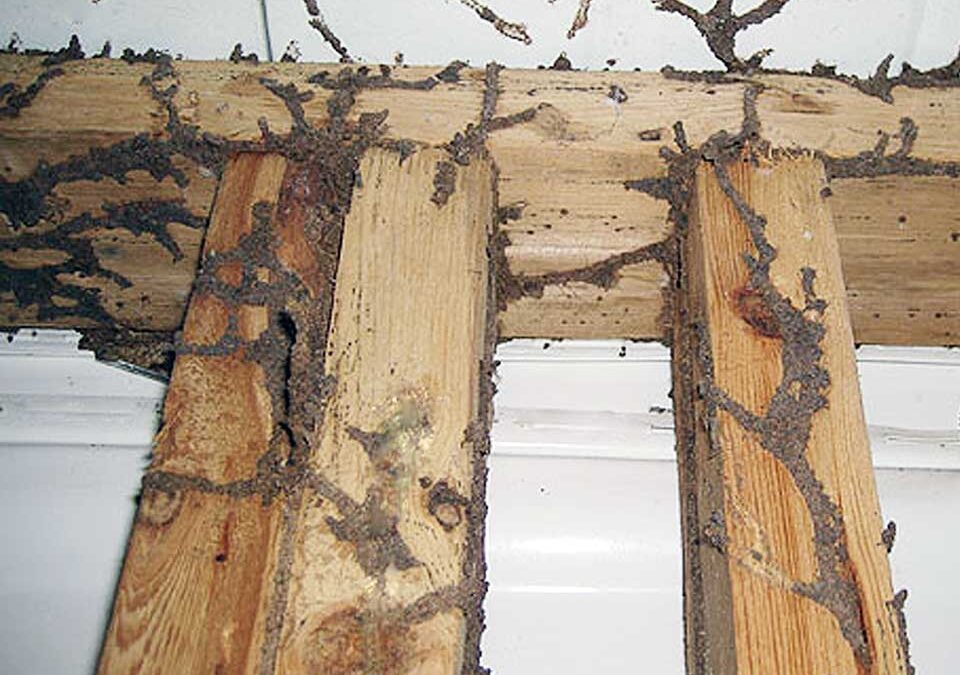
- Frass and Termite Trails: As termites tunnel and consume wood, they leave behind tell-tale signs. Frass, which is termite droppings, often resembles sawdust or tiny pellets and can accumulate near infested areas. Mud tubes, or termite trails, are another common indicator, providing protected pathways for subterranean termites to travel between their underground nests and food sources within your structure. Discovering these signs is a critical indicator that professional intervention is urgently needed.
- Contaminating Food: Certain termite species, such as odorous house termites and pharaoh termites, are known to infest food storage areas. They can contaminate pantry items, dry goods, and even packaged foods, posing a health risk and leading to significant waste. Their presence in kitchens and food preparation areas is a serious concern for both residential and commercial properties.
- Satellite Colonies and Colony Budding: Some termite species, like pharaoh termites, have the ability to form satellite colonies or engage in colony budding. This means that if a main colony is disturbed or partially treated, smaller groups of termites can break off and establish new nests in other parts of your property. This makes complete eradication incredibly challenging for DIY efforts and underscores the need for a comprehensive, professional approach that targets the entire colony network.
- Moisture Termites and Moisture Control: Many termite species are highly attracted to moisture. Leaky pipes, poor drainage, condensation, and inadequate ventilation create ideal conditions for termites to thrive. These “moisture termites” exploit damp environments, accelerating the decay of wood and making it even more susceptible to infestation. Effective termite control often involves addressing underlying moisture issues to eliminate attractive conditions.
- Termite Mounds and Nests: While less common indoors in our region, outdoor termite mounds and visible nests are clear indicators of a significant infestation. These structures house millions of termites and represent the heart of the colony. Even if the main nest is outdoors, foraging tunnels can extend considerable distances, leading directly to your home or business.
- Foundation Sealing: Termites often gain entry through cracks and gaps in foundations. Over time, even minor structural shifts or settling can create these vulnerabilities. An active termite infestation can further compromise the integrity of your foundation, exacerbating existing issues and creating new ones.
- Brand Reputation Risk: For businesses, a termite infestation can have devastating consequences beyond structural damage. The presence of termites can severely damage your brand reputation, particularly in industries like food service, hospitality, or retail. News of an infestation can lead to loss of customers, negative reviews, and significant financial setbacks.
- Health Risks: While not directly transmitting diseases, termites can exacerbate allergies and asthma in sensitive individuals due to the dust and debris they create. In some cases, the fungi and mold associated with termite-damaged wood can also pose respiratory risks.
Signs of an Escalating Termite Infestation: When to Call the Experts
Recognizing the early warning signs of a termite infestation can save you thousands in repairs. Don’t wait until the damage is extensive.
- Termite Trails (Mud Tubes): These pencil-sized tunnels made of mud and wood particles are a definitive sign of subterranean termites. They typically run along foundations, walls, or floor joists, providing protected pathways for termites to travel.
- Frass (Termite Droppings): Small piles of what looks like sawdust or tiny, granular pellets near wooden structures are a strong indicator of drywood termite activity. The color of the frass can vary depending on the type of wood being consumed.
- Discarded Wings: After a termite swarm, you might find piles of translucent, discarded wings near windowsills, doors, or other light sources. Swarmers are reproductive termites leaving the nest to establish new colonies.
- Hollow-Sounding Wood: Tap on wooden surfaces, especially in areas prone to moisture like bathrooms or near exterior walls. If the wood sounds hollow or dull, it could indicate internal termite damage.
- Blistering or Darkening Wood: Termite activity can cause wood surfaces to appear blistered, warped, or discolored. This is often due to moisture accumulation or the termites tunneling just beneath the surface.
- Small Holes in Wood: Tiny, pinpoint holes in wooden furniture, floors, or walls can be exit holes created by termites.
- Sagging Floors or Ceilings: In advanced infestations, the structural damage caused by termites can lead to noticeable sagging in floors, ceilings, or even rooflines.
- Stuck Windows or Doors: As termites tunnel and create moisture, wooden frames can swell, making windows and doors difficult to open or close.
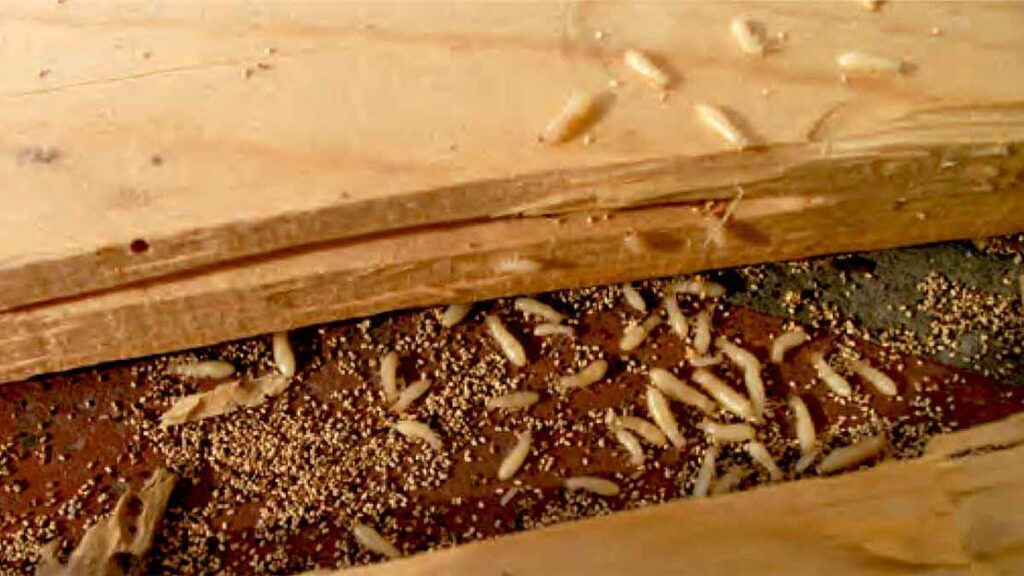
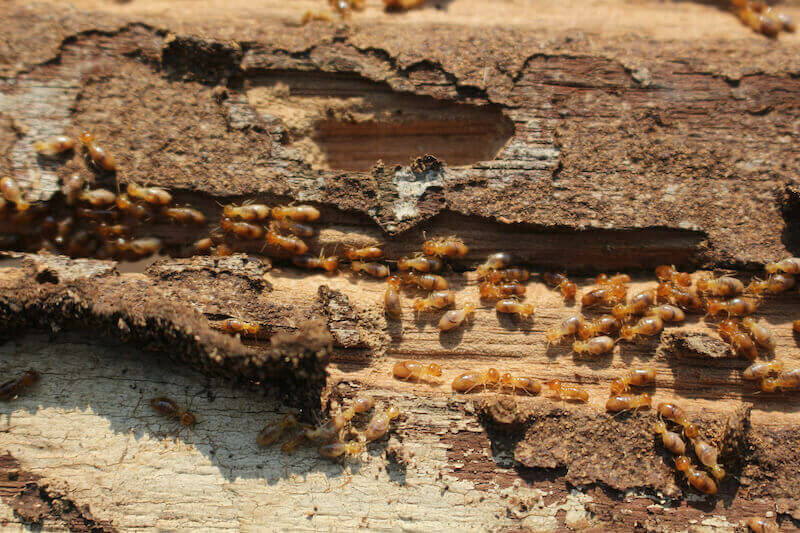
- Visible Termites: While often hidden, you might occasionally see worker termites (small, pale insects) when disturbing infested wood, or winged swarmers during their reproductive flights.
If you notice any of these signs, it’s crucial to contact [Brentwood] Pest Control Experts immediately. Early detection and professional intervention are key to preventing widespread damage and costly repairs.
Why Professional Extermination is Essential for Termite Removal
The allure of store-bought sprays and traps is understandable, offering a seemingly quick and easy fix. However, these DIY methods are nothing more than temporary illusions undone by the hidden, thriving colony. Termites are not surface-level pests; they operate in complex, subterranean or internal networks, with a queen continuously producing new individuals deep within the nest. Here’s why professional extermination is the only true solution:
- Targeting the Source, Not Just the Symptoms: DIY sprays only kill the termites you see, which are often just a small fraction of the entire colony. The queen and the vast majority of the workers remain hidden, continuing their destructive work. Our professional treatments are designed to penetrate deep into the structure and soil, eliminating the entire colony, including the queen, and preventing future generations.
- Understanding Termite Biology and Behavior: Effective termite control requires an in-depth understanding of termite species, their life cycles, foraging habits, and preferred environments. Our experts are trained to identify the specific type of termite infesting your property and tailor a treatment plan that exploits their vulnerabilities, something a generic spray cannot do.
- Advanced Treatment Technologies: We utilize a range of advanced tools and techniques far beyond what’s available to consumers. This includes specialized baiting systems that termites carry back to their colony, effectively eliminating it from within, and non-repellent liquid treatments that create an undetectable barrier around your home, ensuring termites unknowingly pass through it and carry the treatment back to the nest.
- Precision Application: Termite treatments require precise application in specific areas to be effective. This often involves drilling into foundations, injecting treatments into wall voids, or trenching around the perimeter of your home. These are tasks that require specialized equipment and expertise to perform safely and effectively, without causing damage to your property.
- Long-Term Prevention and Monitoring: A professional termite treatment isn’t just about eradication; it’s about long-term prevention. We establish ongoing monitoring programs and implement exclusion techniques to prevent future infestations, providing a lasting solution that DIY methods simply cannot offer.
- Safety and Environmental Responsibility: Professional pest control experts are trained in the safe handling and application of treatments, minimizing risk to your family, pets, and the environment. We adhere to strict industry standards and regulations, ensuring that treatments are effective yet responsible.
Don’t let the illusion of a quick fix lead to greater damage and expense. Trust the experts at [Brentwood] Pest Control Experts to provide a definitive, lasting solution to your termite problem.
Advanced Termite Exclusion Methods and Structural Pest Control
Eradicating an existing termite colony is only half the battle. To ensure long-term protection, [Brentwood] Pest Control Experts employs advanced exclusion methods and structural pest control techniques designed to make your home or business an inhospitable environment for future infestations.
- Sealing Entry Points: Termites can enter through incredibly small cracks and gaps. Our technicians meticulously inspect your property to identify and seal these vulnerable entry points. This includes sealing foundation cracks, repairing damaged mortar, caulking around utility penetrations, and ensuring proper sealing around windows and doors.
- Managing Moisture: Moisture is a primary attractant for many termite species. We assess and address underlying moisture issues that could be inviting termites. This involves recommending solutions for leaky pipes, improving drainage around your foundation, ensuring proper ventilation in crawl spaces and attics, and addressing any areas of standing water. By controlling moisture, we eliminate a critical element that termites need to thrive.
- Wood-to-Ground Contact Elimination: Any direct contact between wooden structures and the soil provides a direct bridge for subterranean termites to access your home. We identify and advise on eliminating these bridges, which may involve altering landscaping, ensuring proper grading, or installing physical barriers.
- Foundation Sealing and Repair: Cracks and gaps in your foundation are common entry points. Our structural pest control approach includes addressing these vulnerabilities through professional sealing and, when necessary, recommending structural repairs to create a robust barrier against subterranean termites.
- Perimeter Defense Systems: Beyond sealing individual entry points, we establish comprehensive perimeter defense systems. This may involve creating treated zones in the soil around your foundation, installing baiting systems, or applying non-repellent liquid treatments that termites cannot detect, ensuring they carry the treatment back to their colony.
- Integrated Pest Management (IPM) for Termites: Our approach is rooted in Integrated Pest Management (IPM) principles, which emphasize a holistic strategy. This means combining inspection, identification, exclusion, and targeted treatments to achieve long-term control with minimal environmental impact.
- Crack and Crevice Treatment: We go beyond visible surfaces, treating hidden cracks and crevices within your structure where termites may be harboring or attempting to gain entry. This meticulous approach ensures that no potential entry point is overlooked.
- Termite Barriers: Depending on your property’s specific needs, we may install physical or chemical termite barriers. Physical barriers, often integrated during construction or renovation, create an impenetrable shield. Chemical barriers create a treated zone in the soil that repels or eliminates termites before they can reach your home.
By combining effective colony elimination with these advanced exclusion and structural pest control methods, [Brentwood] Pest Control Experts provides a multi-layered defense, offering robust, long-term protection against the destructive power of termites.
Our Termite Removal Method: A Step-by-Step IPM Approach
At [Brentwood] Pest Control Experts, we follow a meticulous, step-by-step Integrated Pest Management (IPM) approach to ensure complete termite removal and lasting protection.
- Consultation & Inspection: Our process begins with a thorough consultation to understand your concerns, followed by a comprehensive inspection of your property. Our trained technicians will meticulously examine both the interior and exterior, identifying signs of termite activity, potential entry points, moisture sources, and the specific termite species involved. This initial assessment is crucial for developing a targeted and effective treatment plan.
- Customized Treatment: Based on our inspection findings, we develop a customized treatment plan tailored to your property’s unique needs and the specific termite species present. This may involve a combination of advanced techniques, including:
- Termite Baiting Systems: Strategically placed bait stations containing a slow-acting termiticide are deployed. Foraging termites consume the bait and carry it back to the colony, effectively eliminating the entire nest, including the queen, over time.
- Colony Elimination Liquid Treatments: We utilize non-repellent liquid treatments applied to the soil around your foundation. Termites cannot detect these treatments, so they unknowingly tunnel through the treated zone, pick up the active ingredient, and transfer it to other termites within the colony, leading to widespread elimination.
- Direct Nest Treatment: When accessible, we directly treat active termite nests or galleries within wooden structures using specialized equipment to ensure immediate impact on the localized infestation.
- Exclusion & Maintenance: After the active colony has been eliminated, we focus on preventing future infestations through exclusion methods. This involves sealing cracks and crevices, addressing moisture issues, and eliminating wood-to-ground contact points. We also provide recommendations for ongoing maintenance to keep your property less attractive to termites.
- Monitoring: Our commitment to your protection extends beyond the initial treatment. We establish a monitoring program, which may include regular follow-up inspections and maintenance of baiting systems, to ensure the long-term effectiveness of our termite control solutions and to detect any new activity promptly.
Our IPM approach ensures that we not only eliminate the current termite threat but also implement strategies for sustainable, long-term prevention, giving you confidence in the enduring protection of your property.
Tailored Commercial Termite Services
Businesses in Brentwood, Knightsen, Discovery Bay, and Byron face unique challenges when it comes to termite control. An infestation can not only cause significant structural damage but also lead to operational disruptions, damage to inventory, and a severe blow to your reputation. [Brentwood] Pest Control Experts offers tailored commercial termite services designed to meet the specific needs and regulatory requirements of various industries.
- Discrete Service: We understand the importance of discretion for commercial establishments. Our technicians operate with professionalism and subtlety, ensuring that our termite control services cause minimal disruption to your business operations and customer experience.
- HACCP Compliance: For businesses in the food service, hospitality, and manufacturing sectors, maintaining HACCP (Hazard Analysis and Critical Control Point) compliance is paramount. Our termite control programs are designed to integrate seamlessly with your existing HACCP protocols, ensuring that pest management practices meet the highest standards of food safety and hygiene.
- Comprehensive Inspections: Commercial properties often have complex structures and diverse environments. Our inspections are thorough, identifying termite activity in warehouses, offices, retail spaces, and any other vulnerable areas, taking into account the unique construction and operational aspects of your business.
- Customized Treatment Plans: We develop bespoke treatment plans that consider your business’s operational hours, safety requirements, and the specific type of termite infestation. This may include a combination of baiting systems, liquid treatments, and targeted exclusion methods to ensure effective and long-lasting control.
- Ongoing Monitoring and Reporting: Our commercial services include continuous monitoring to detect any new termite activity promptly. We provide detailed reports on our findings and the treatments applied, ensuring transparency and helping you maintain accurate records for compliance purposes.
- Preventative Strategies: Beyond eradication, we focus on implementing preventative strategies tailored to your commercial environment. This includes advising on structural modifications, moisture control, and waste management practices to minimize the risk of future termite infestations.
Protect your business from the devastating impact of termites. Contact [Brentwood] Pest Control Experts today for a specialized commercial termite control consultation.
Why Brentwood Relies on Brentwood Pest Control Experts for Definitive Termite Control
When it comes to safeguarding your home or business from the relentless destruction of termites, residents and businesses in Brentwood, Knightsen, Discovery Bay, and Byron turn to [Brentwood] Pest Control Experts for a reason. Our reputation is built on a foundation of deep regional familiarity and an unwavering commitment to complete colony elimination.
Our team possesses an unparalleled understanding of the local environment, including the specific termite species prevalent in the Sacramento Valley, the unique climatic factors that influence their behavior, and the architectural vulnerabilities common to properties in our communities. This regional expertise allows us to develop highly effective, targeted termite control strategies that generic, one-size-fits-all approaches simply cannot match. We know where termites hide, how they enter, and what it takes to stop them definitively.
What truly sets us apart is our relentless focus on complete colony elimination. We don’t just treat the visible signs of an infestation; we go deep to eradicate the entire termite colony, including the queen and all workers. Our advanced Integrated Pest Management (IPM) approach combines cutting-edge technology with proven techniques to ensure that the source of the problem is neutralized, preventing future generations of termites from re-establishing themselves on your property. We understand that anything less than complete elimination is a temporary reprieve, and we are dedicated to providing solutions that offer lasting peace of mind.
We pride ourselves on our professionalism, our meticulous attention to detail, and our commitment to customer satisfaction. From the initial comprehensive inspection to the customized treatment plan and ongoing monitoring, every step of our process is designed to provide you with the most effective and reliable termite control available. We are not just exterminators; we are your partners in protecting your property from the devastating impact of wood-destroying insects.
Choose [Brentwood] Pest Control Experts for a definitive solution that leverages local insight, advanced techniques, and a steadfast commitment to eradicating termites at their source. Protect your investment with the experts Brentwood trusts.
The Value of Seasonal Termite Prevention
In the dynamic climate of Brentwood, Knightsen, Discovery Bay, and Byron, seasonal termite prevention is not merely a recommendation; it is a crucial component of long-term property protection. Termite activity fluctuates with the seasons, and a proactive approach ensures your home or business remains protected year-round.
- Spring: Swarmer Season and Colony Establishment: Spring often marks the “swarmer season,” when reproductive termites emerge from mature colonies to establish new ones. Our spring prevention services focus on identifying and treating potential new colony sites, applying targeted perimeter defenses, and addressing any new moisture issues that have arisen over the winter. This proactive approach can intercept new infestations before they take hold.
- Summer: Increased Foraging and Moisture Seeking: The hot, dry summers drive termites indoors in search of moisture. During this period, our prevention strategies emphasize reinforcing existing barriers, inspecting for new entry points created by drying and shifting soil, and ensuring that all internal moisture sources are controlled. We focus on areas like crawl spaces, basements, and utility entry points where termites are most likely to seek refuge.
- Fall: Preparing for Winter and Hidden Activity: As temperatures begin to drop in the fall, termites may seek warmer, more insulated areas within your home. Our fall prevention services include thorough inspections of attics, wall voids, and other hidden areas. We also ensure that any exterior wood-to-ground contact is addressed and that your property is sealed against winter invaders, mitigating the risk of termites establishing themselves for the colder months.
- Winter: Seeking Warmth and Sustenance: While outdoor activity may slow, termites remain active indoors during winter, seeking warmth and continuous food sources. Our winter prevention focuses on internal monitoring, addressing any new moisture problems from winter rains, and ensuring that your property’s defenses remain robust against persistent termite foraging.
By implementing a seasonal termite prevention plan with [Brentwood] Pest Control Experts, you benefit from continuous, adaptive protection that accounts for the specific behaviors of termites throughout the year. This proactive strategy is the most effective way to prevent costly damage and maintain the long-term integrity of your property.
Don’t let termites undermine your investment. Contact us for an immediate consultation and take the first step towards a termite-free future. We proudly serve Brentwood, Knightsen, Discovery Bay, Byron, and all relevant zip codes in the surrounding California communities.